How to Knit Knitted Knockers with Two Circular Needles (Adapted Pattern)
Knitted Knockers are handmade, soft, and lightweight breast prostheses designed for women who have undergone mastectomies. Unlike traditional silicone prosthetics, these are breathable, comfortable, and can be worn inside a bra without irritation.
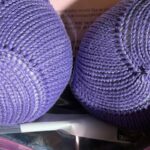
I’ve been knitting Knitted Knockers for years and donating them to my local oncologist and breast surgeon, where they are given to women in need. Since I prefer knitting in the round using two circular needles instead of double-pointed needles (DPNs), I developed an adaptation of the official Knitted Knockers Bottoms Up DPN pattern to make it easier for knitters like me.
I recently posted an Instagram reel about my making some knitted knockers and that reel went wild with over 2 million views! Here’s the reel:
If you are interested in making knitted knockers yourself, I offer you both an adapted pattern and instructions videos below.
I’ll walk you through my step-by-step process, share my free downloadable pattern, and include my YouTube tutorial so you can follow along visually.
📌 If you’d like to download my adapted pattern, you can find it at the Knitted Knockers webiste:
👉 Download the PDF Pattern
1. What Are Knitted Knockers and Why Make Them?
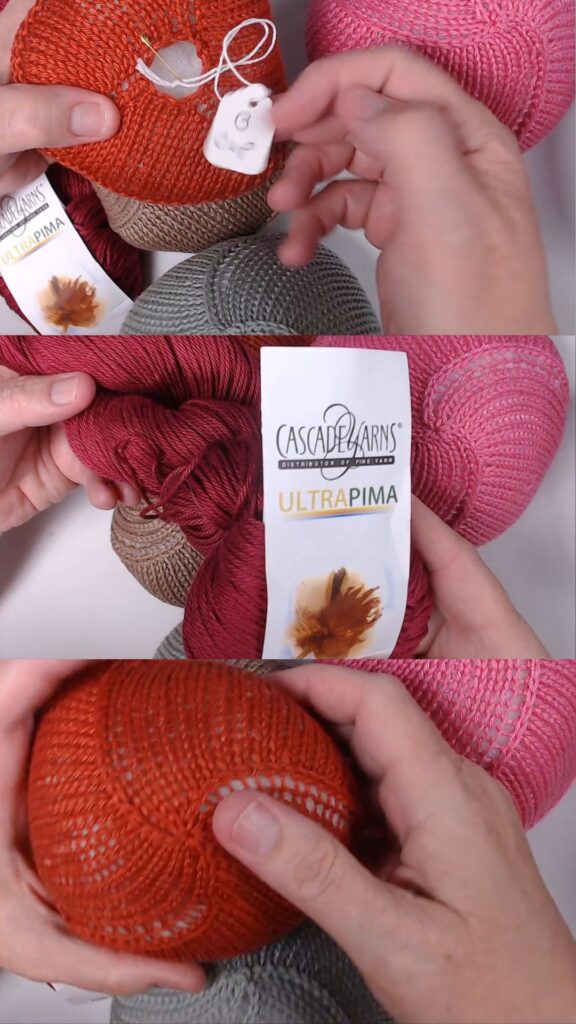
Knitted Knockers are made from soft, high-quality cotton yarn and provide a lightweight, comfortable alternative to traditional prosthetics.
Why knit them?
- They are free for recipients (volunteers knit and donate them).
- They are softer and more breathable than silicone prosthetics.
- They can be custom-stuffed to suit each person’s comfort level.
- They provide a boost of confidence to breast cancer survivors.
You can donate your finished knockers to local clinics, hospitals, or KnittedKnockers.org, which distributes them worldwide.
2. Why Use Two Circular Needles Instead of DPNs?
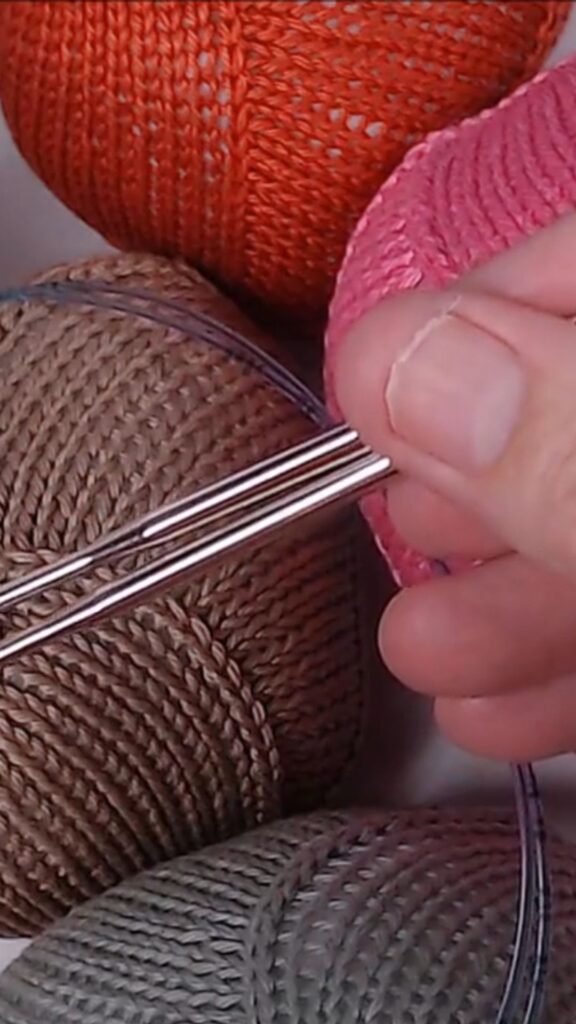
The original Bottoms Up Knitted Knockers pattern is written for three double-pointed needles (DPNs), but I prefer to use two circular needles instead.
Why Two Circular Needles?
✔ Easier to manage than juggling multiple DPNs.
✔ Reduces laddering (gaps between needle changes).
✔ Great for knitters who prefer circular needles over DPNs.
✔ More comfortable hand positioning while knitting in the round.
If you’ve ever struggled with DPNs feeling awkward, switching to two circular needles may be the perfect solution!
3. Materials Needed
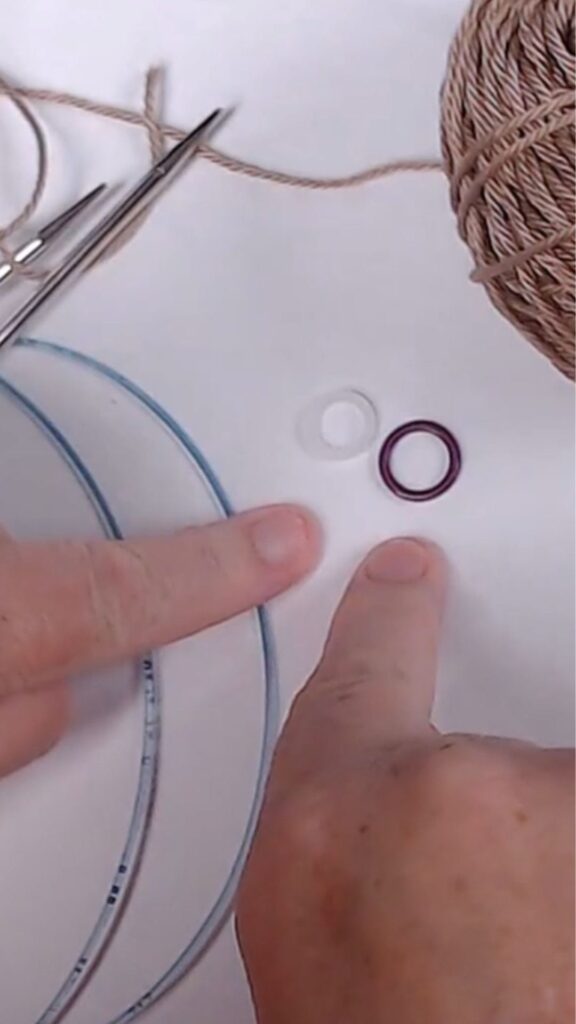
To knit Knitted Knockers using two circular needles, you’ll need:
- 100% Pima Cotton Yarn (I use Cascade Ultra Pima Cotton – soft, breathable, and on the Knitted Knockers approved yarn list).
- Two circular knitting needles, size 5 (length doesn’t matter, as there aren’t many stitches).
- Two stitch markers in different colors (to mark sections).
- A tapestry needle (for finishing).
- Polyester fiberfill (for stuffing, if not sending unstuffed).
4. Casting On and Setting Up for Two Circular Needles
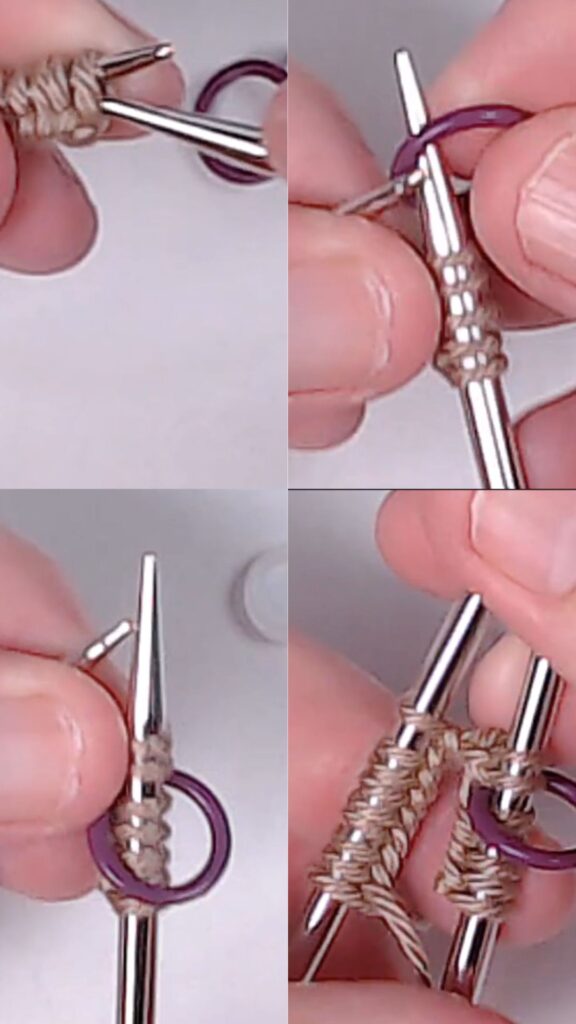
Instead of casting on directly to three DPNs, you will:
Step-by-Step Instructions:
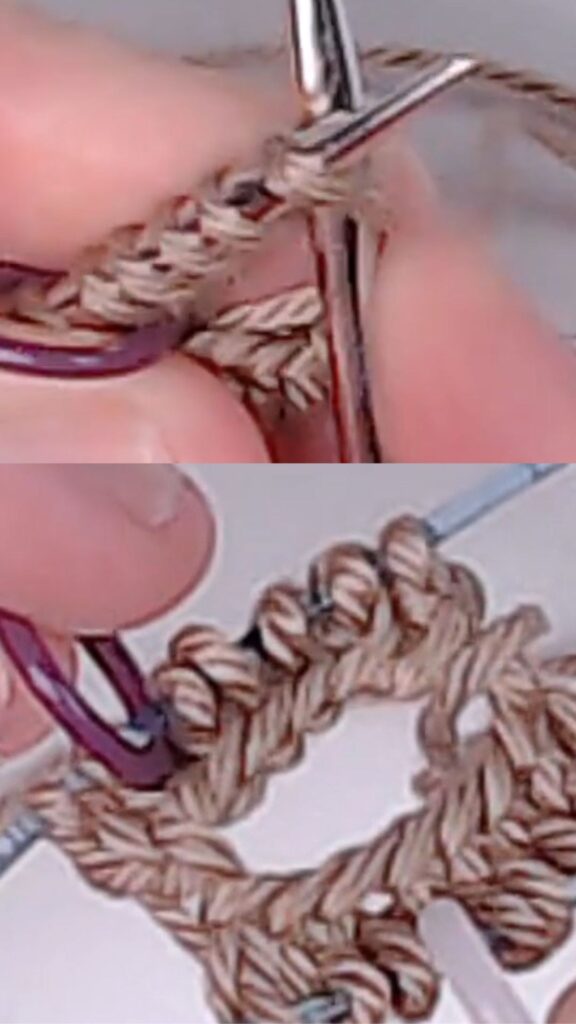
1️⃣ Cast on 16 stitches onto one circular needle (instead of 15, for a neater join).
2️⃣ Divide the stitches between two circular needles:
- Move 7 stitches to Needle #1.
- Move 8 stitches to Needle #2.
3️⃣ Add stitch markers to divide sections (since the original pattern uses three DPNs).
4️⃣ Join in the round by knitting the first and last cast-on stitches together (K2tog).
🔗 Follow along with my YouTube tutorial here:
5. Knitting the Increases and Body of the Knocker
Once you’ve joined in the round, you will:
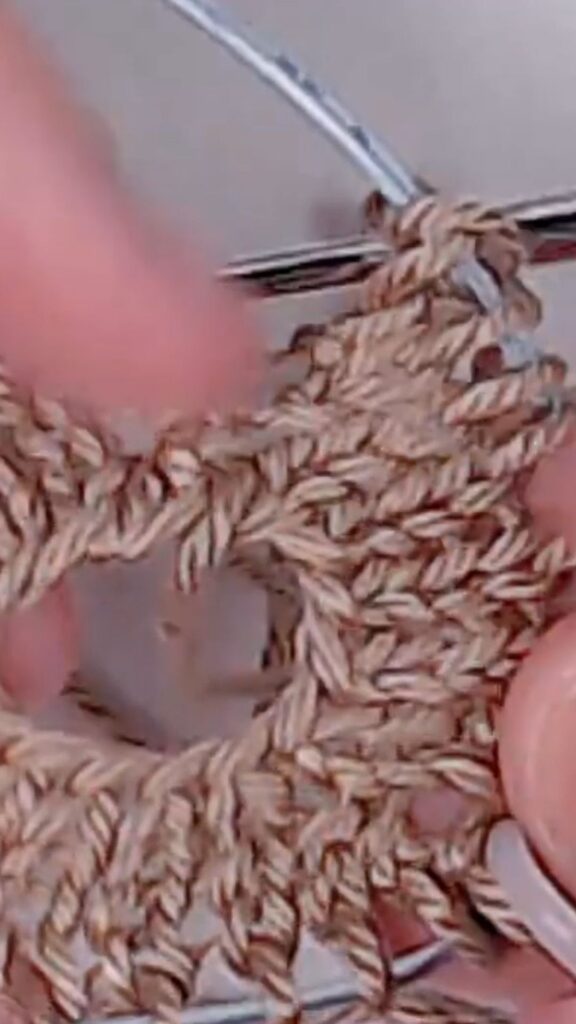
1️⃣ Work the increase rounds following the Knitted Knockers Bottoms Up pattern, but tracking the sections with stitch markers instead of DPNs.
2️⃣ Continue increasing until you reach the number of stitches required for the size you’re making.
3️⃣ Work two rounds of purl stitches to create a dividing ridge.
🔗 Watch my video tutorial for the full demonstration:
6. Shaping the Top with Decreases
Once you’ve reached the correct size:
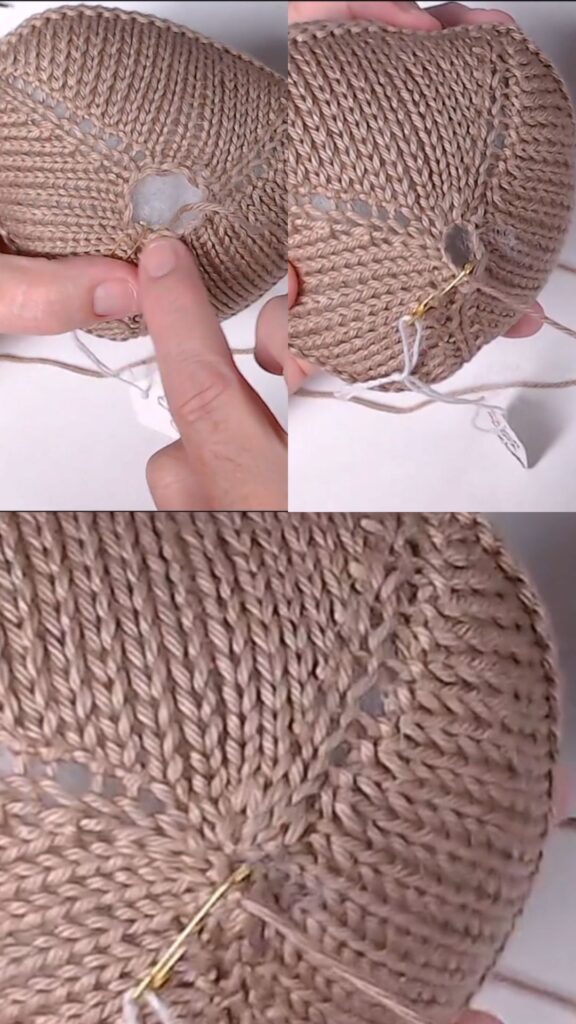
1️⃣ Begin decrease rounds at the end of each section.
2️⃣ Continue decreasing until only six stitches remain.
3️⃣ Cut a long tail (about 10 inches) and thread through the remaining stitches.
4️⃣ Cinch the top closed and weave in the tail securely.
7. Stuffing and Finishing
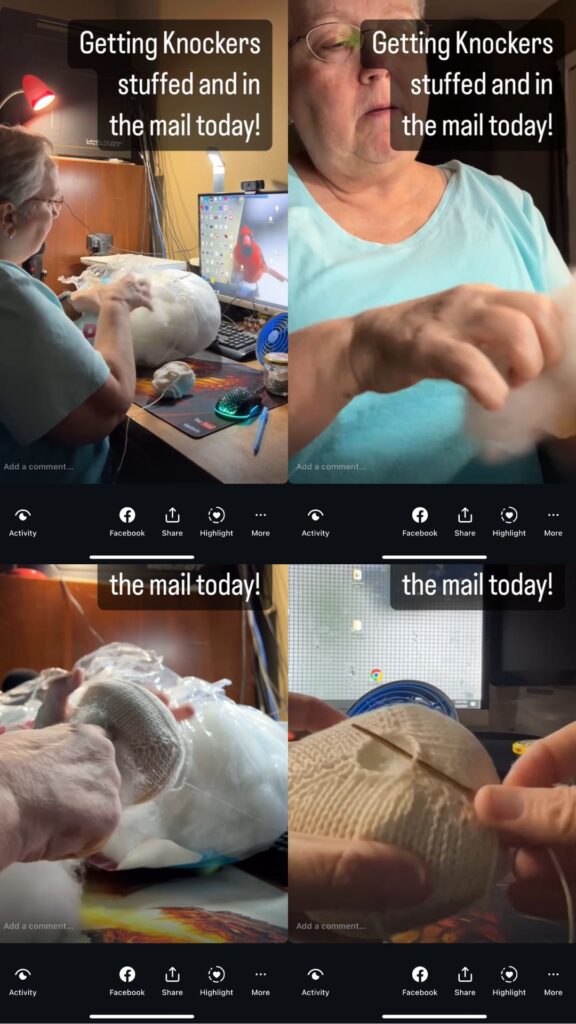
💡 If donating directly to KnittedKnockers.org, do NOT stuff them!
If you’re gifting locally, you can:
✔ Use soft polyester fiberfill (available at craft stores).
✔ Overstuff slightly, so the recipient can adjust as needed.
✔ Leave a long tail inside so the opening can be cinched tighter if desired.
8. Where to Donate Your Knitted Knockers
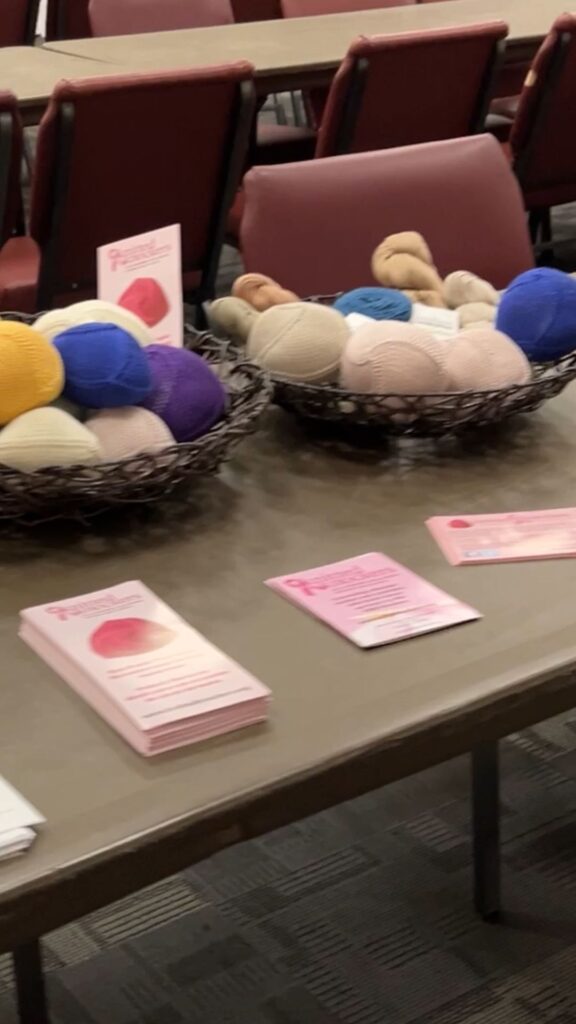
If you don’t have a local hospital, clinic, or oncologist to donate to, you can send your finished knockers to KnittedKnockers.org, where they distribute 1,000+ knockers per month to women in need.
📌 Learn how to donate:
👉 KnittedKnockers.org
Conclusion
Knitting Knitted Knockers is a meaningful way to use your knitting skills to help others. Whether you choose to donate locally or send them to Knitted Knockers, every handmade piece makes a difference.
If you’ve struggled with double-pointed needles, using two circular needles may be the perfect alternative. I hope this tutorial and my adapted pattern help you create these wonderful gifts with confidence.
Next Steps
Working in the Round: Knitting Techniques Made Simple
How to Join Knitting in the Round Neatly (Extra Stitch + K2tog Method)