
Beginner Basics: Skills to Get You Started
Every knitter starts at the same place. Not knowing what they’re doing and figuring it out one stitch at a time. That’s not a problem. That’s exactly how it’s supposed to go. Beginner Basics will get you started.
You don’t need to learn everything before you start. You need a cast on, a knit stitch, and enough confidence to pick your needles back up after you make a mistake. The rest builds from there naturally.
The tutorials on this page cover the foundational skills that show up in almost every knitting project. Work through them in order if you’re brand new, or jump straight to whatever you need right now.
Beginner Basics: Start Here
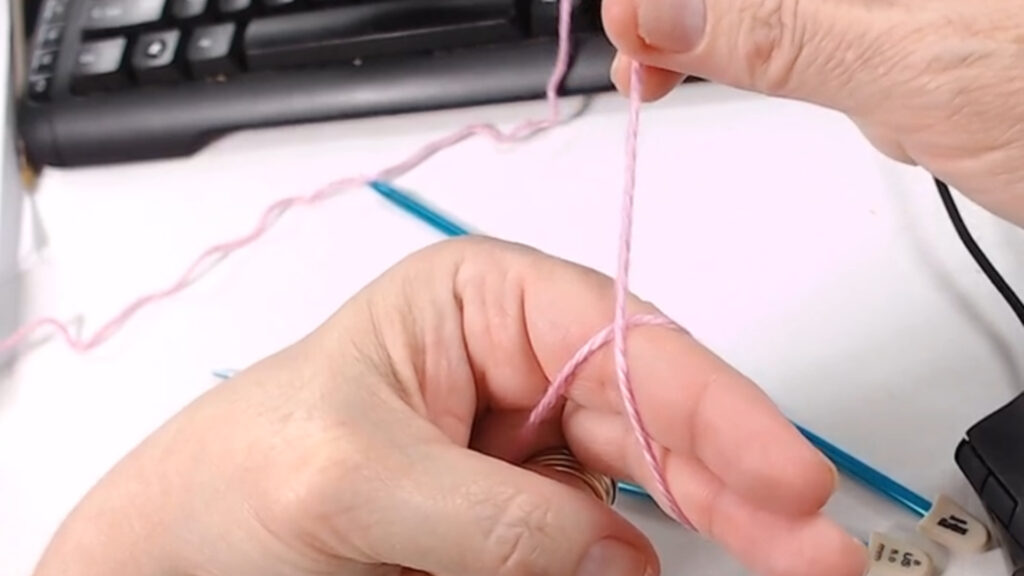
Slip Knot
Every knitting project starts the same way. Before you cast on a single stitch, you need a slip knot for knitting. This small adjustable loop is how your yarn attaches to the needle, and once it is on there you are ready to go.
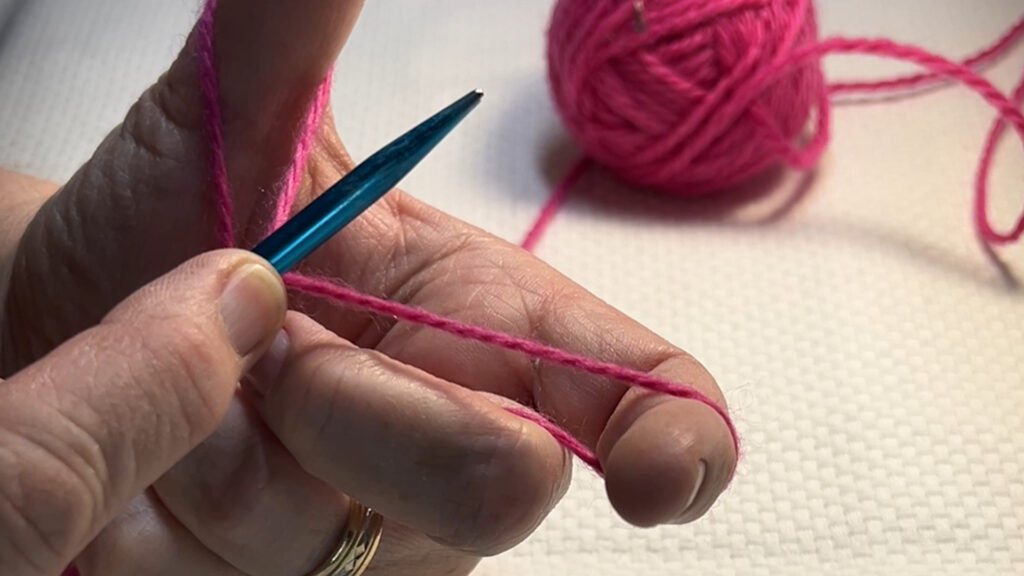
How to Do a Long Tail Cast On
If you’re just getting started with knitting, the long tail cast on is one of the most useful techniques you’ll learn. It creates a clean, even edge at the base of your project and works up quickly once the motion clicks. Most knitting patterns don’t specify which cast on to use, and this one is a reliable choice for almost everything a beginner will make.
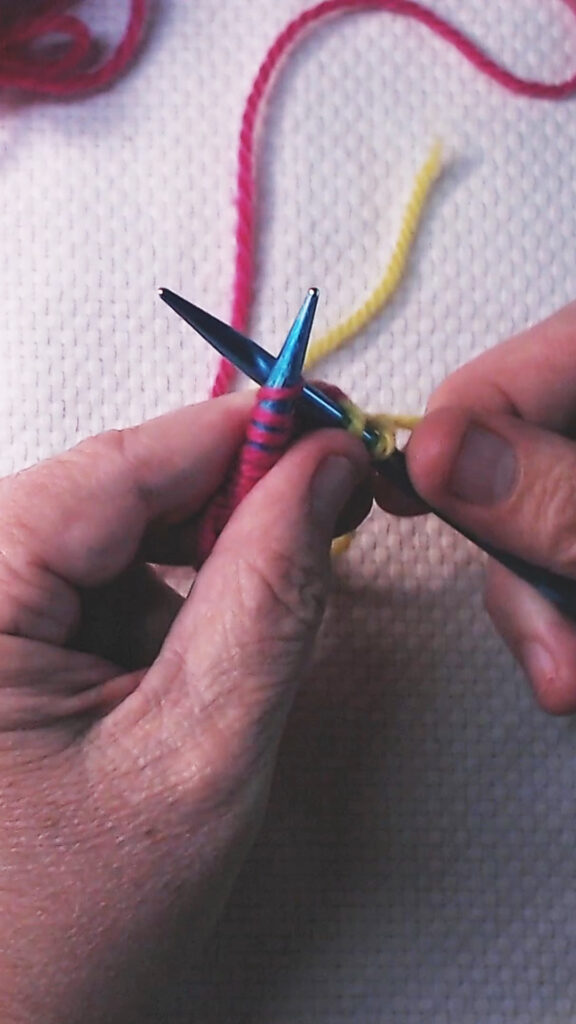
Knit Stitch
You’ve cast on your first stitches and now it’s time to actually knit. The knit stitch is the most fundamental technique in all of knitting. Every scarf, dishcloth, blanket, and sweater starts here. Once you have this one stitch down, you’re a knitter.
Build on It
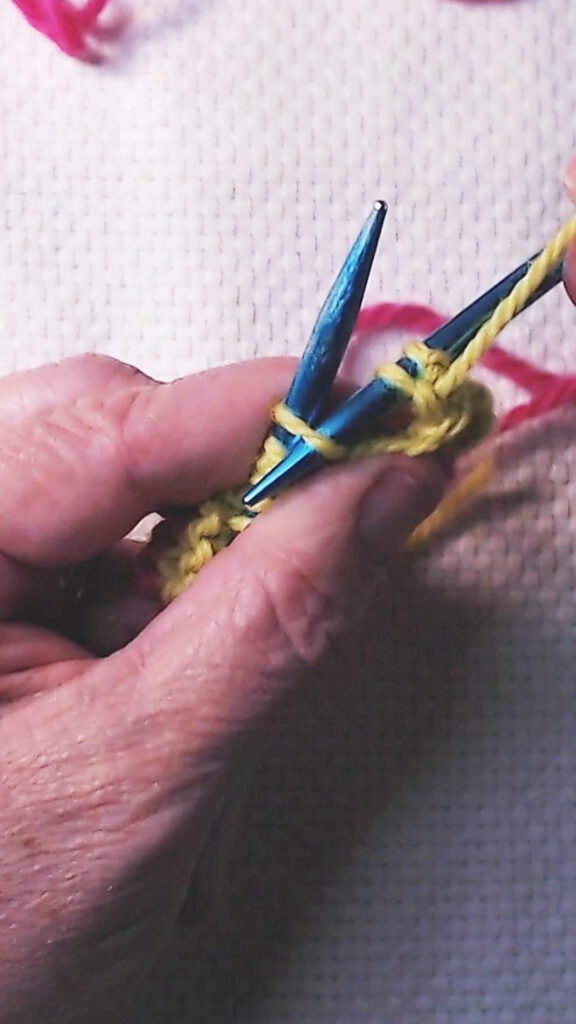
Purl Stitch
Once you know how to knit, the purl stitch is your next move. It’s the second most fundamental stitch in knitting, and together with the knit stitch it unlocks almost every fabric you’ll ever make. Garter stitch, stockinette, ribbing, they all come from combining these two stitches in different ways.
Bind Off
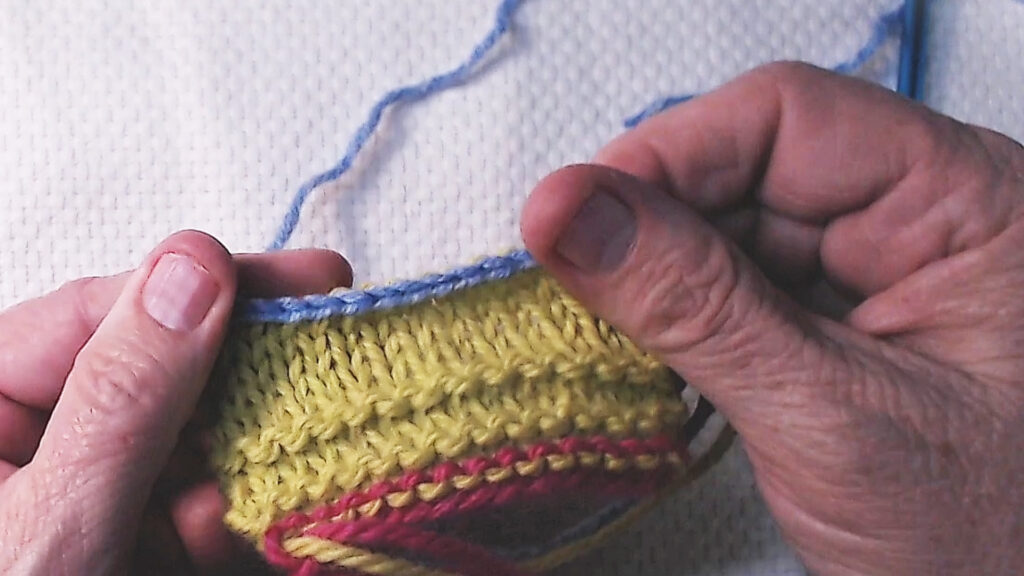
You have learned how to cast on, knit, and purl. Now it is time for the final step: binding off. Binding off is how you get all your stitches off the needles in a way that keeps your finished edge from unraveling. Every knitting project ends with a bind off, so this is a technique you will use every single time you finish something.
Understanding Knitting Terms
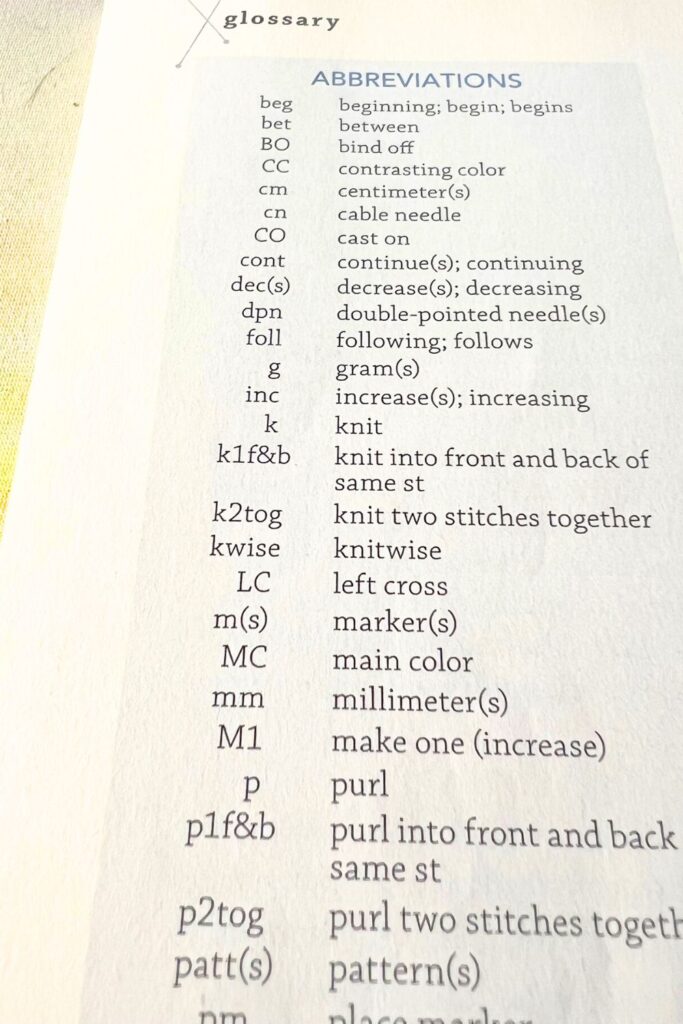
Understanding Knitting Terms and patterns are like a secret code, full of abbreviations, symbols, and special instructions that can feel overwhelming at first. If you’ve ever picked up a pattern and thought, “What does K2tog even mean?”, you’re not alone!
When Things Go Wrong
Fix a Dropped Stitch
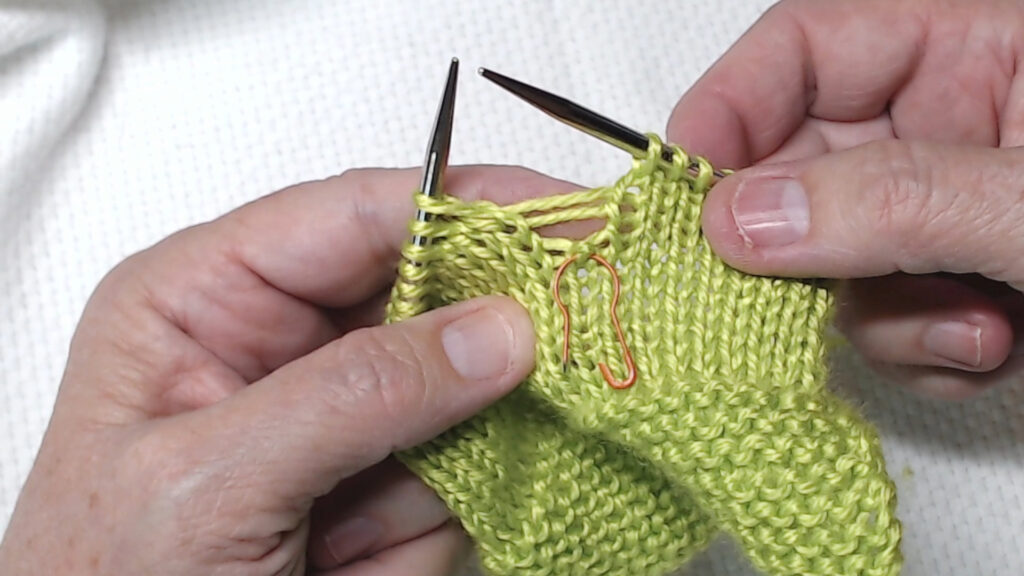
You dropped a stitch knitting. It happens to every knitter at some point and it does not mean your project is ruined. This is a quick recovery. You stabilize the stitch, roll back to where it fell, ladder it back up row by row, and keep knitting. No ripping out required.
Tink Back a Row
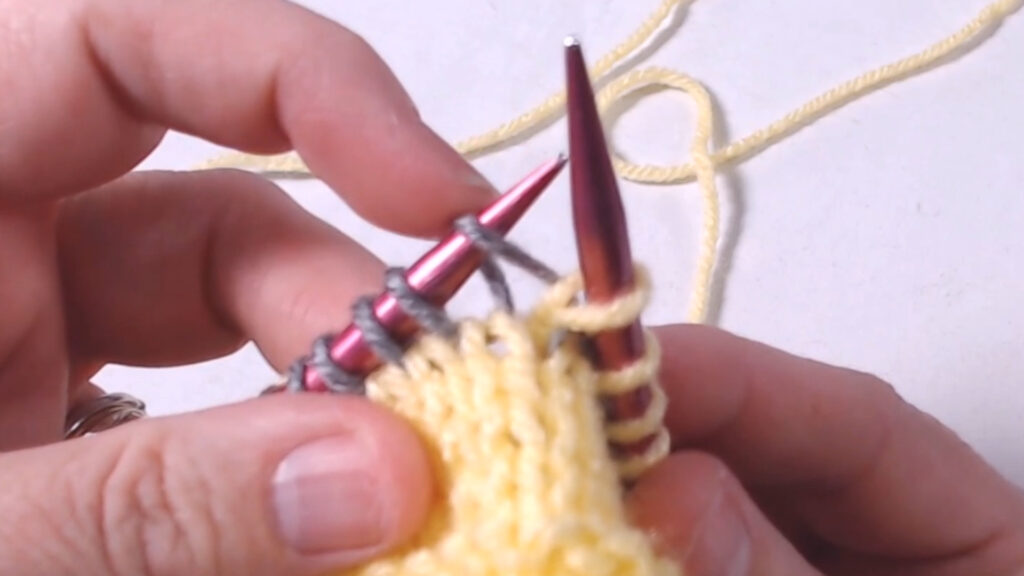
Every knitter makes mistakes, dropped stitches, miscounted rows, or realizing you purled when you should have knitted. The good news? You don’t have to rip out (or “frog”) entire rows to fix a simple error.
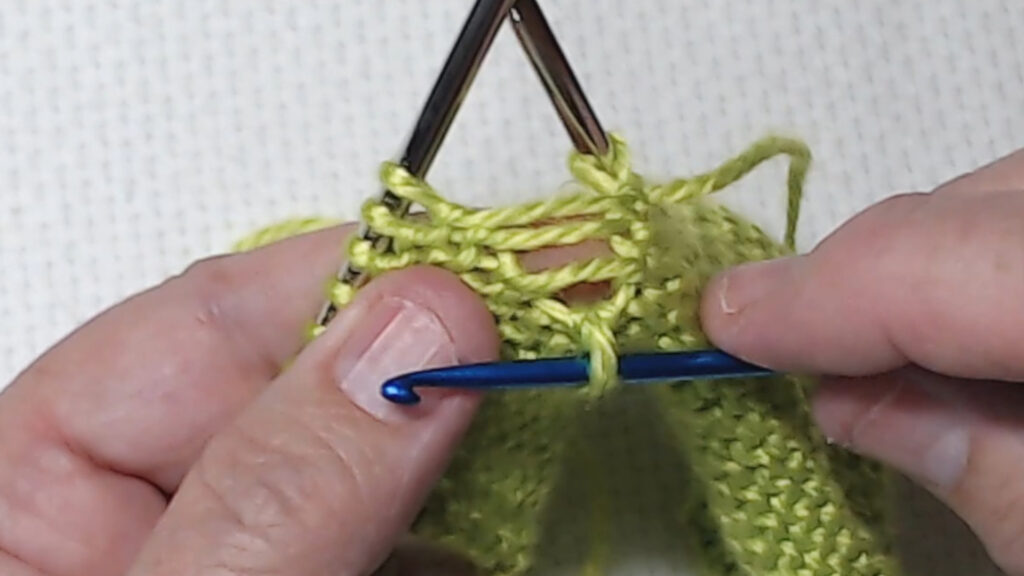
Fix a Purl Mistake
You’re purling along and suddenly notice something looks off. A stitch has dropped and started to unravel. Fixing a dropped stitch on the purl side is a little trickier than on the knit side, but once you understand the one key difference, which direction you pull the ladders through, the repair makes complete sense.
Ready To Make Something?
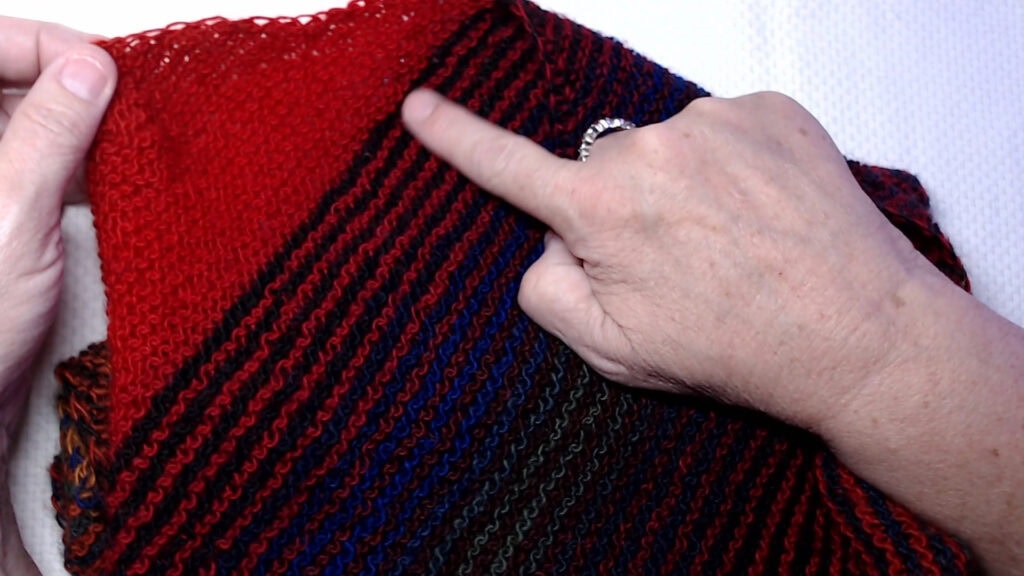
Diagonal Scarf
A simple garter stitch scarf that works with any yarn. Free pattern and full video series included.
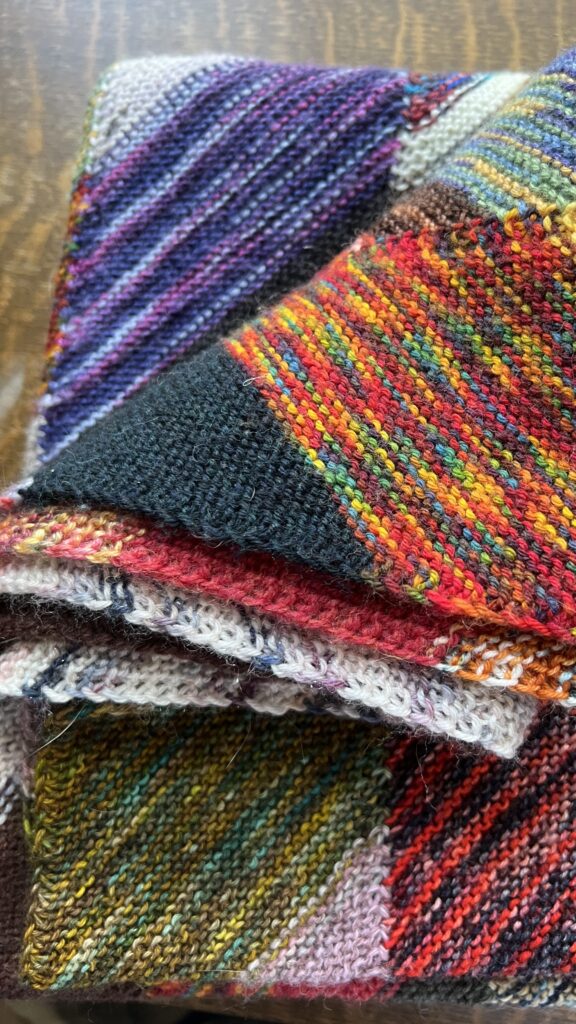
Tales From The Stash Blanket
Turn your leftover yarn into a cozy, memory-filled blanket, one stripe at a time. No sewing, no overwhelm, just peaceful, mindful knitting.